On Saturday 21 February, I had the pleasure of attending the 99th Royal Canberra Show in my capacity as Chair of Agricultural Shows Australia.
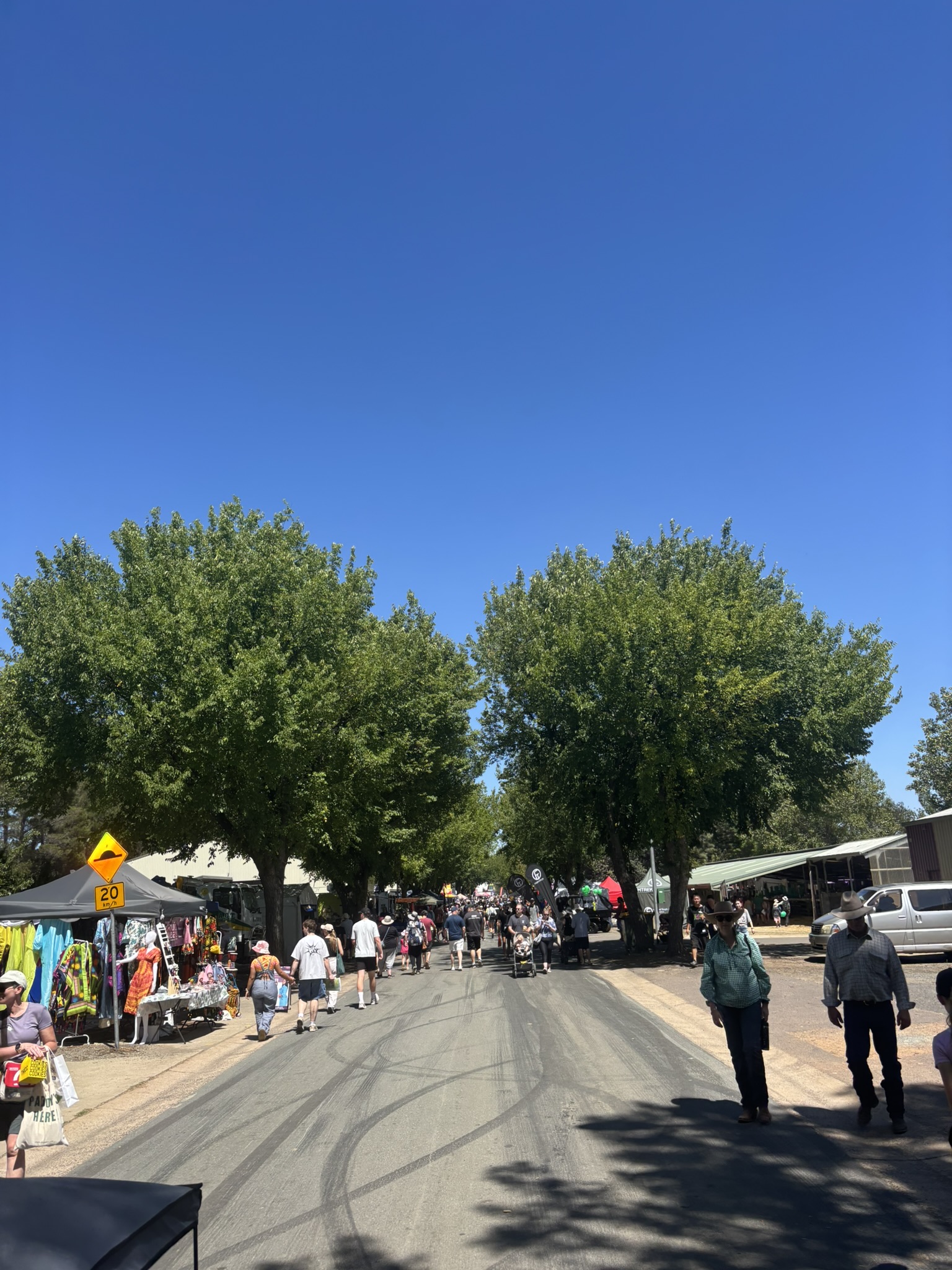
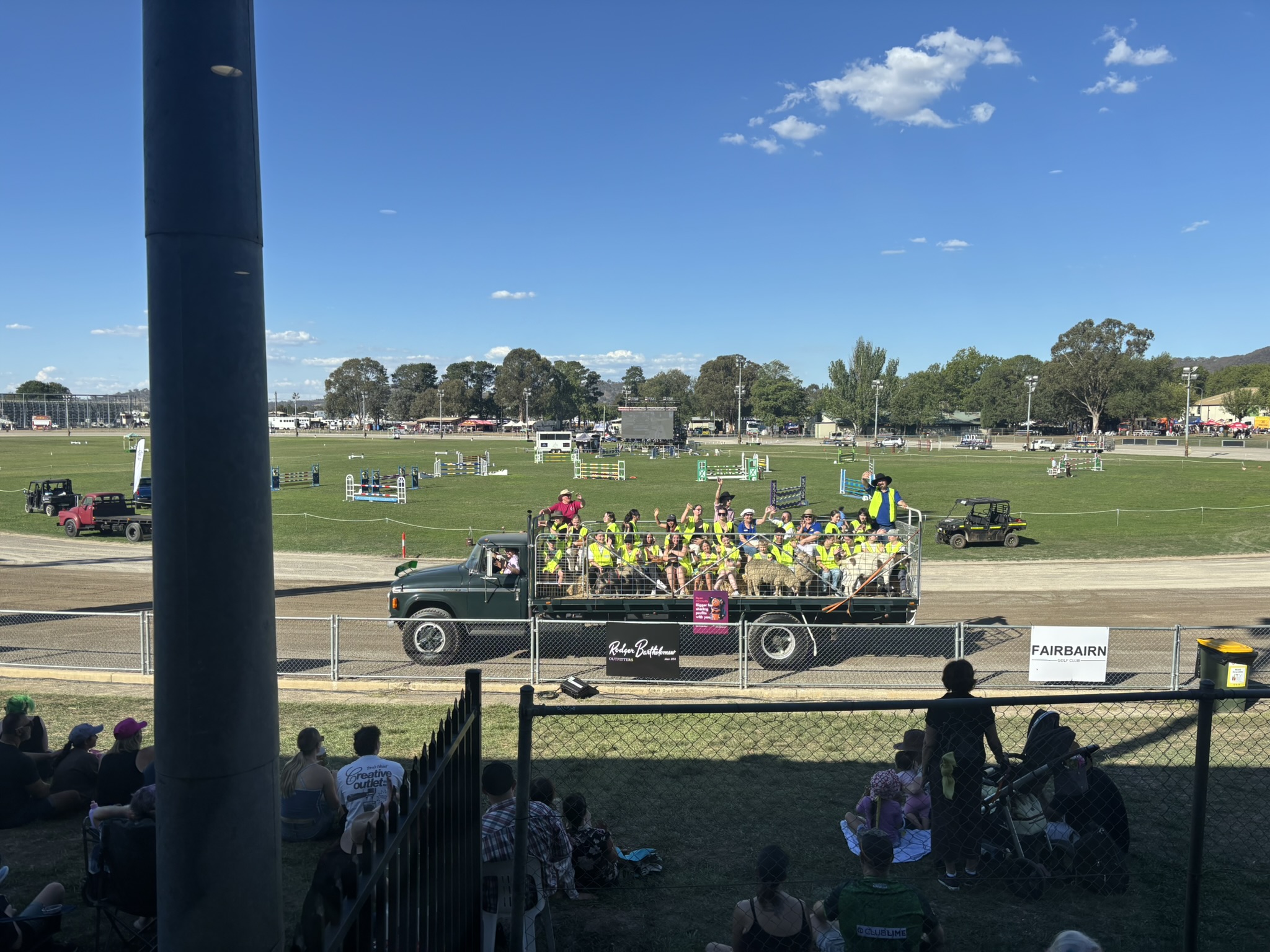
From the moment I arrived at Exhibition Park in Canberra, everything ran seamlessly thanks to the thoughtful coordination of Erica Mahony and CEO Adelina La Vita. Entering through the gates — greeted by alpacas and sheep — and walking along the broad, tree-lined avenue toward the main arena on a brilliant Canberra summer’s day, the Show immediately felt vibrant and welcoming.
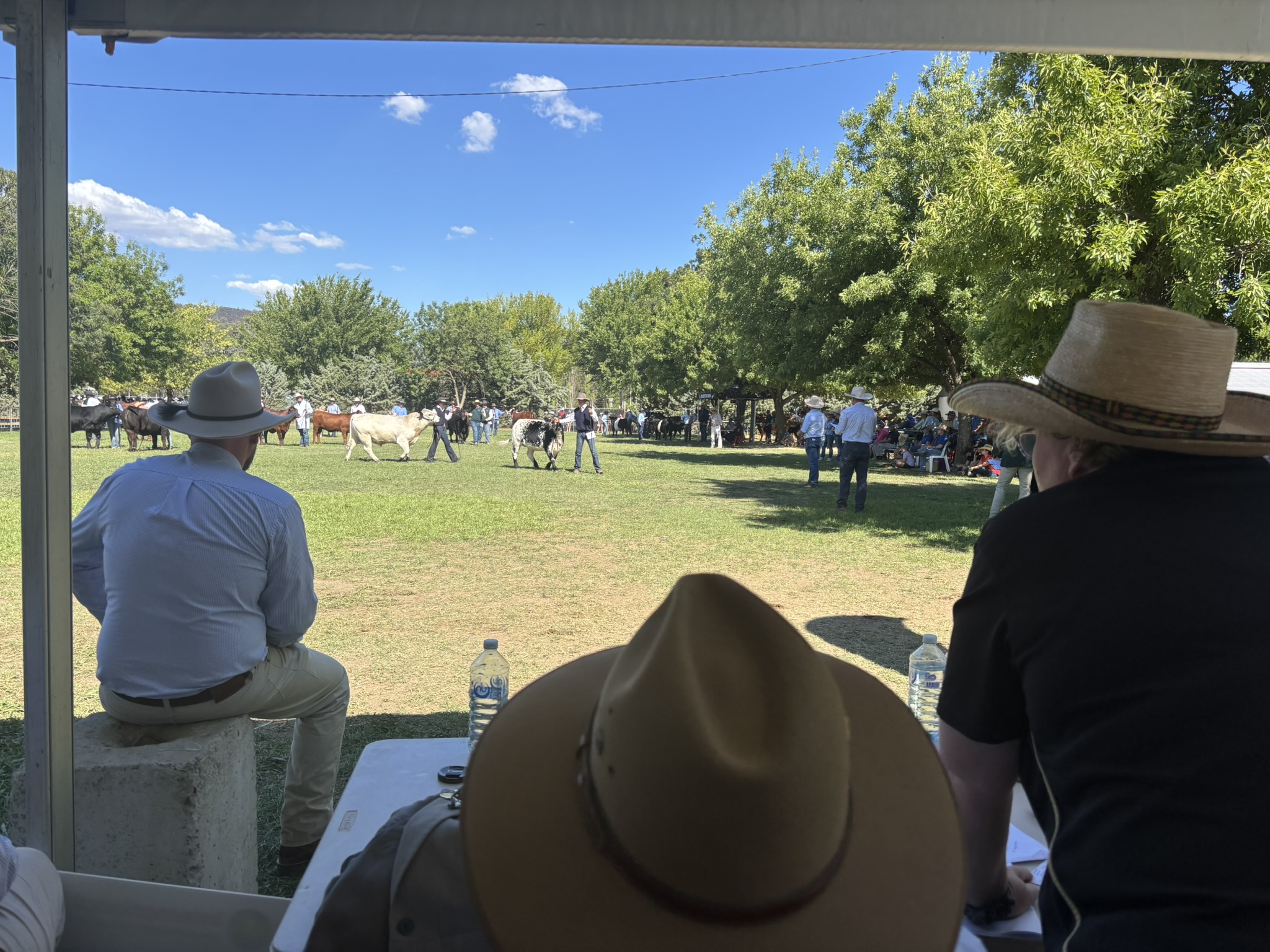
The main ring — widely regarded as one of the largest outdoor show arenas in Australia — was alive with activity. The woodchop was underway, beef cattle judging in full swing, and I arrived in time for the interbreed competition. The scale and professionalism were impressive.
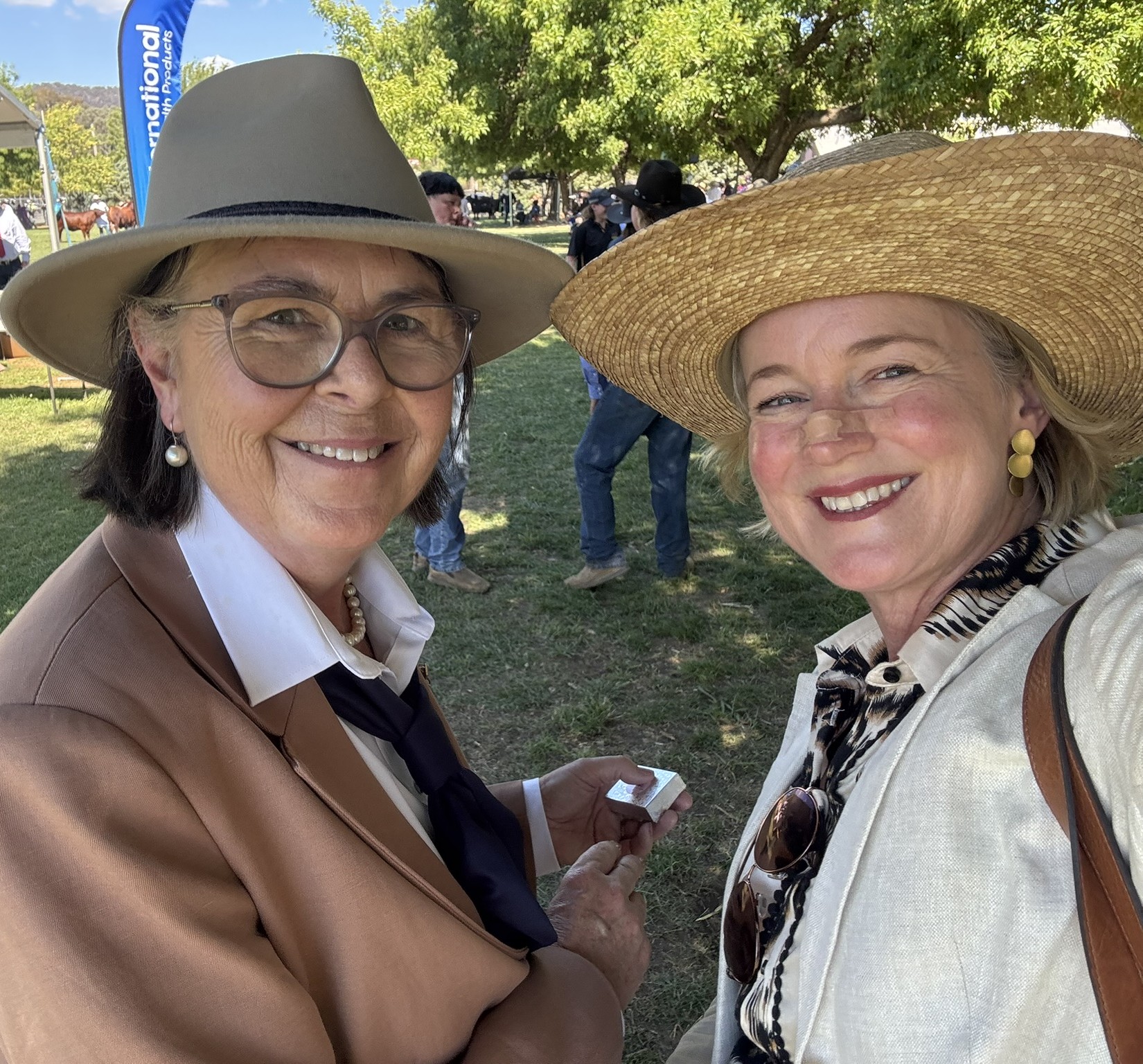
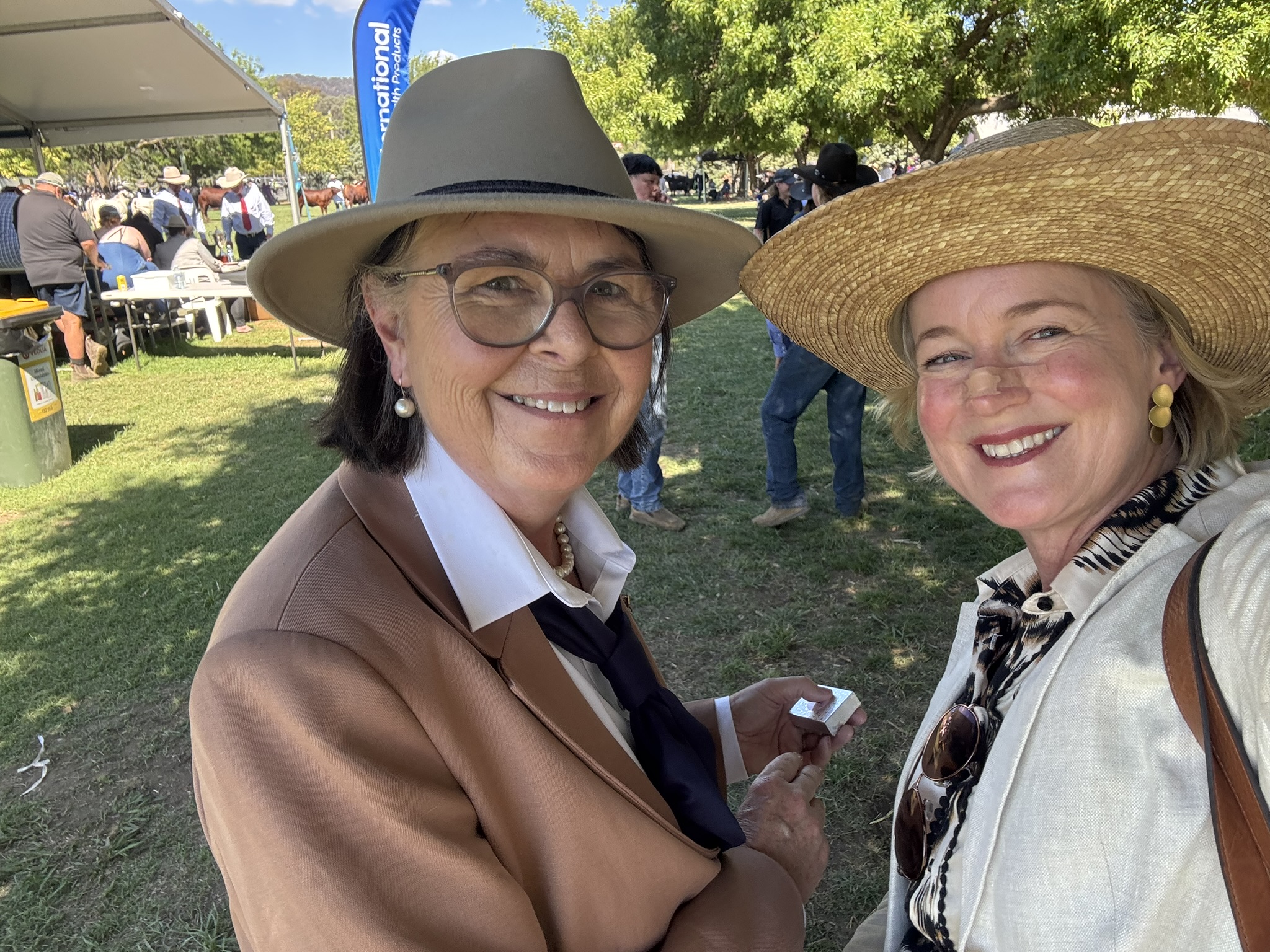
I spent considerable quality time with President Toni Rolls, whose passion for the Show was evident at every turn. It was wonderful to walk the grounds with Toni and see the many connections she holds across the community. Particularly special was time spent together observing the cattle judging in the beautiful, leafy, tree-lined cattle arena. Toni shared her personal story — growing up with a family farming background but not on a farm herself — and how showing Highland cattle and later Angus cattle became a powerful connection point for her within the agricultural community. It was clear how deeply embedded the Show is in her life and relationships.
The equine program is clearly a significant part of the Canberra Show. The showjumping in the main arena was a strong reminder of the region’s deep connection to horses and the importance of equestrian activities within the Show’s identity.
A standout spectacle was the K9 Superwall dog high jump. Watching the dogs build momentum and launch skyward was impressive, and it was just as entertaining trying to guess which breed might clear the greatest height. Once again, the dedication and enthusiasm of the handlers matched that of their dogs.
The dog flyball competition was another highlight — run in relay format with teams of four racing head-to-head. It was a true team sport: fast, disciplined and exciting to watch. The athleticism of the dogs was extraordinary, yet the handlers were equally energetic — cheering, jumping and passionately supporting their teams. It was genuinely hard to tell who was more enthusiastic.
Across the grounds, there was something for everyone — including camel rides, which added to the carnival atmosphere.
Inside Holt Hall, the dahlia displays were striking. I am always drawn to the cakes and cooking exhibits — particularly looking for the creative application of ginger, given I live in ginger country. It is a small but personal delight to see how ginger features in regional recipes across Australia.
I did not quite make it to the guinea pigs or the cats this year — another good reason to return next time.
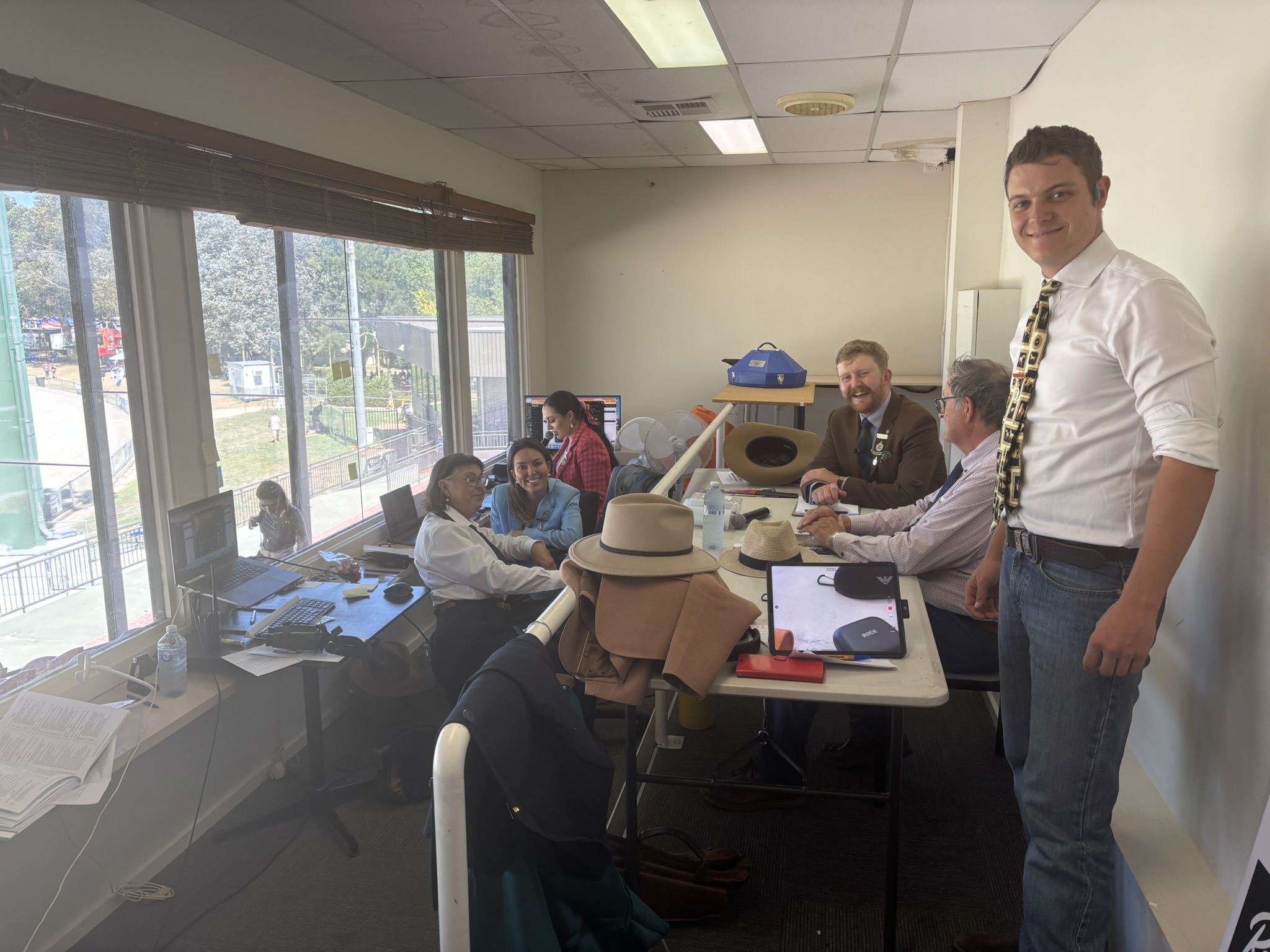
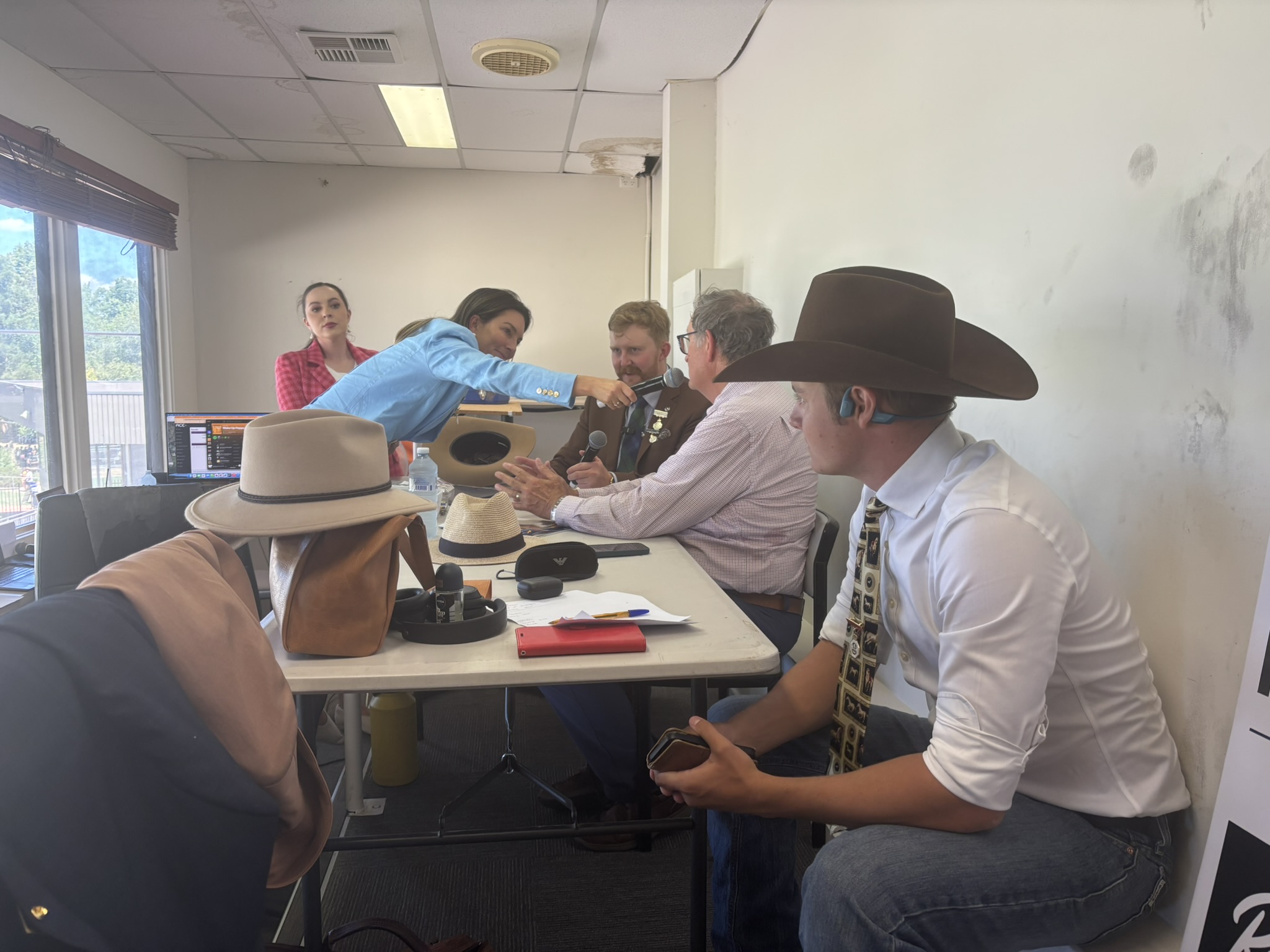
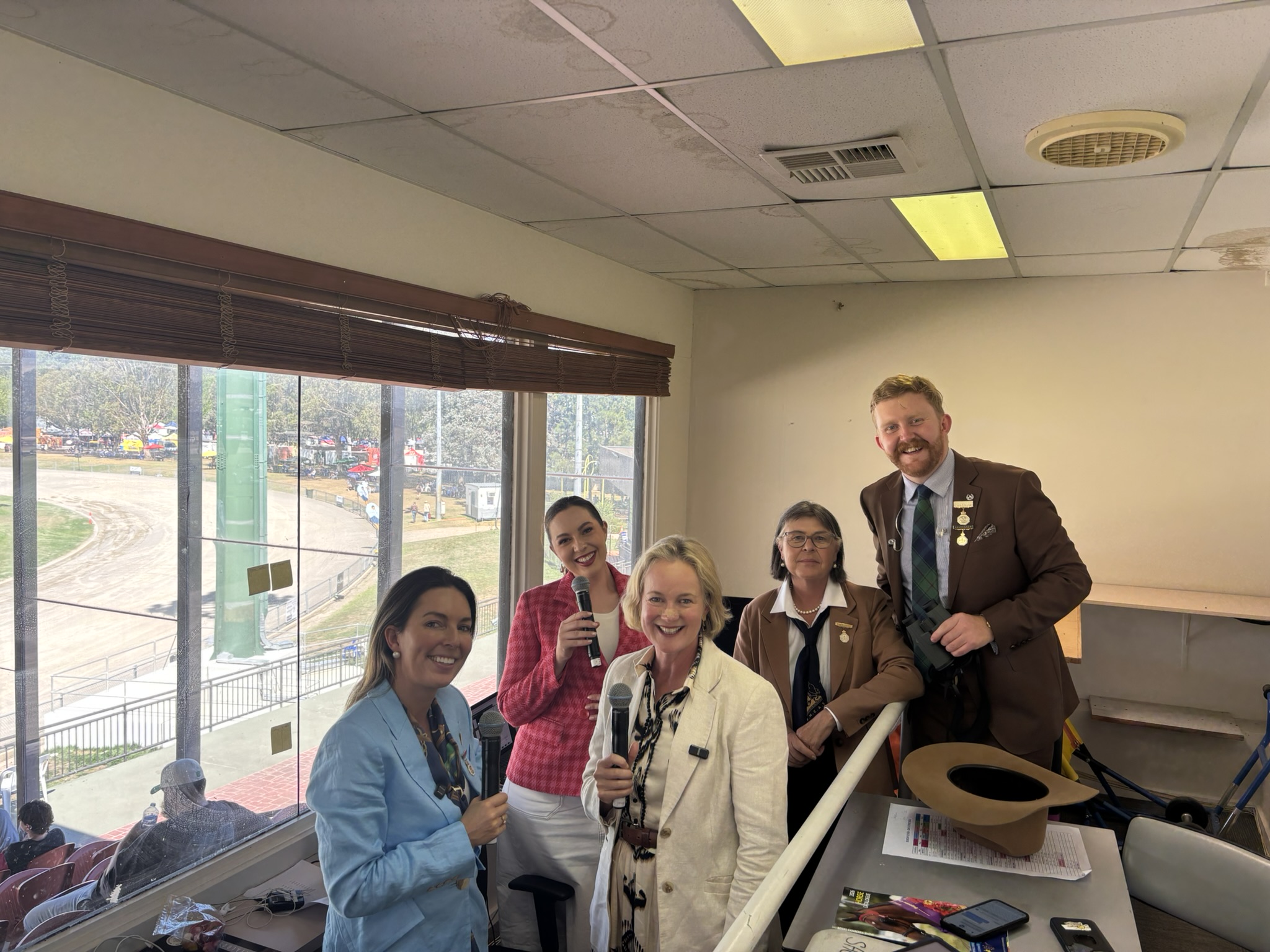
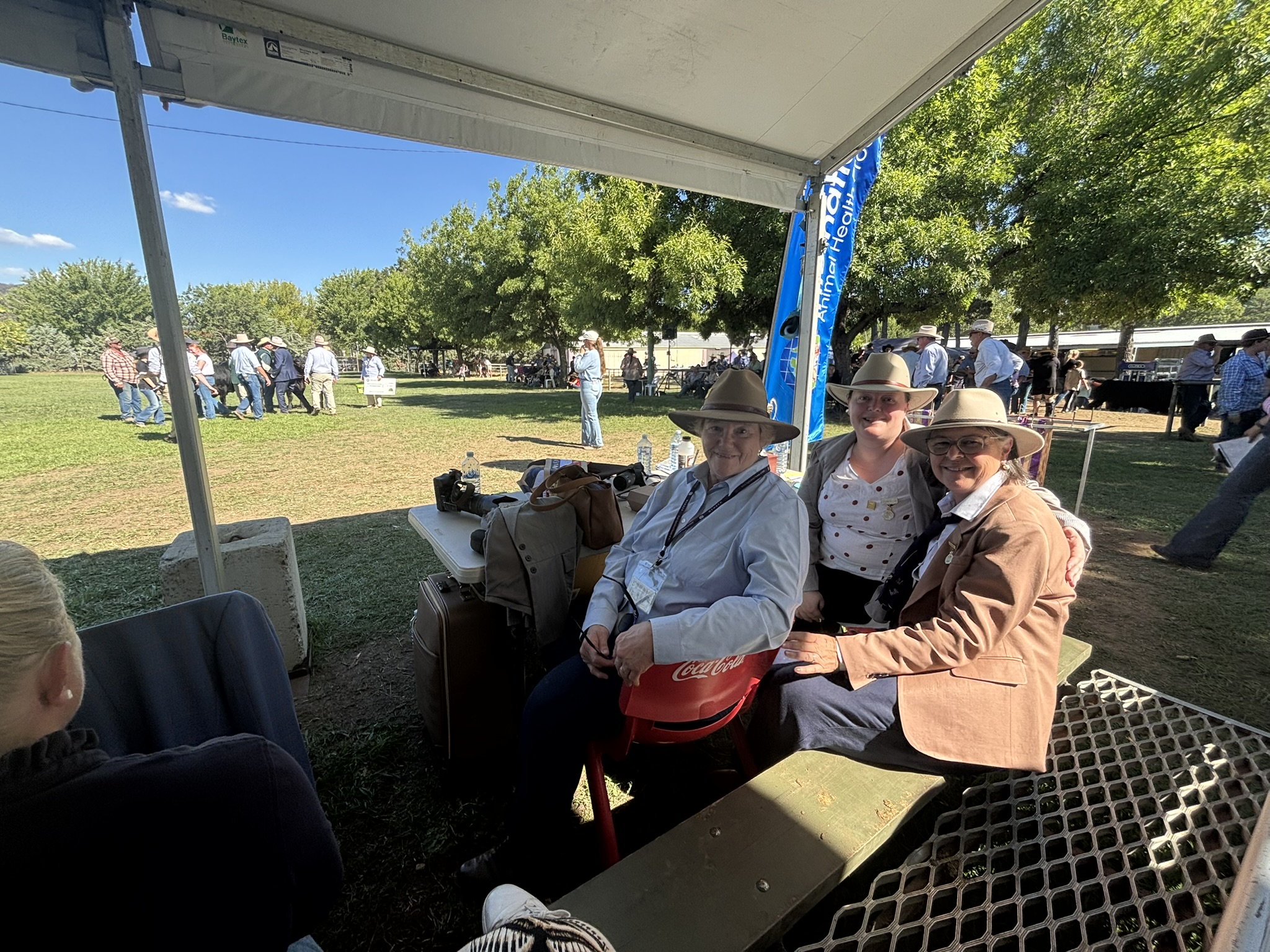
During the day, Toni and I visited the announcer’s box where I was warmly greeted by Lyndsey Douglas — ring announcer and Principal of Writers Who, who works closely with ASA — and interviewed by Lyndsey, Emma Irene and George Southwell. It was a pleasure to speak about ASA’s national footprint — representing 580 shows across Australia, supported by over 50,000 volunteers and welcoming more than 6 million visitors annually.
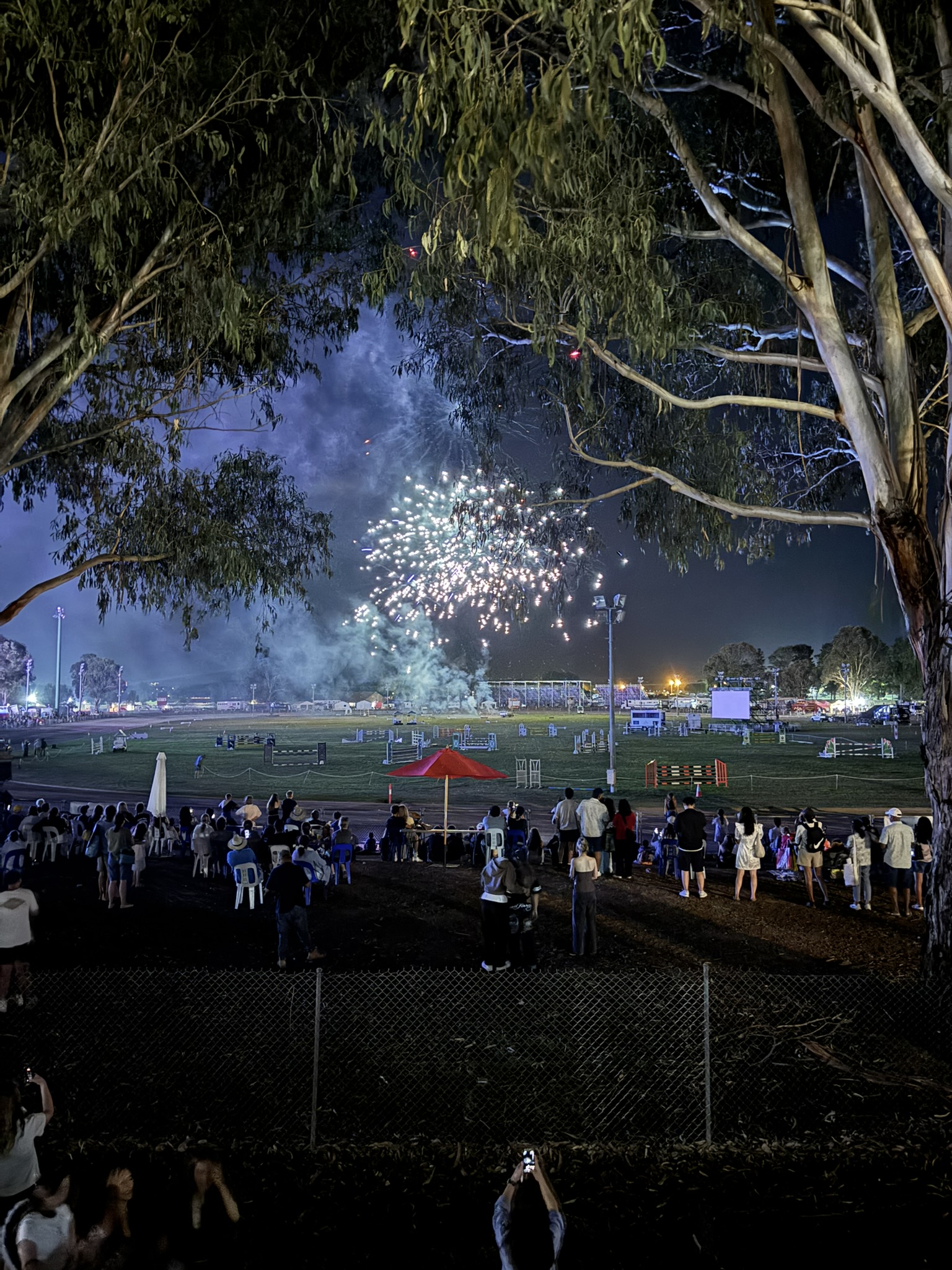
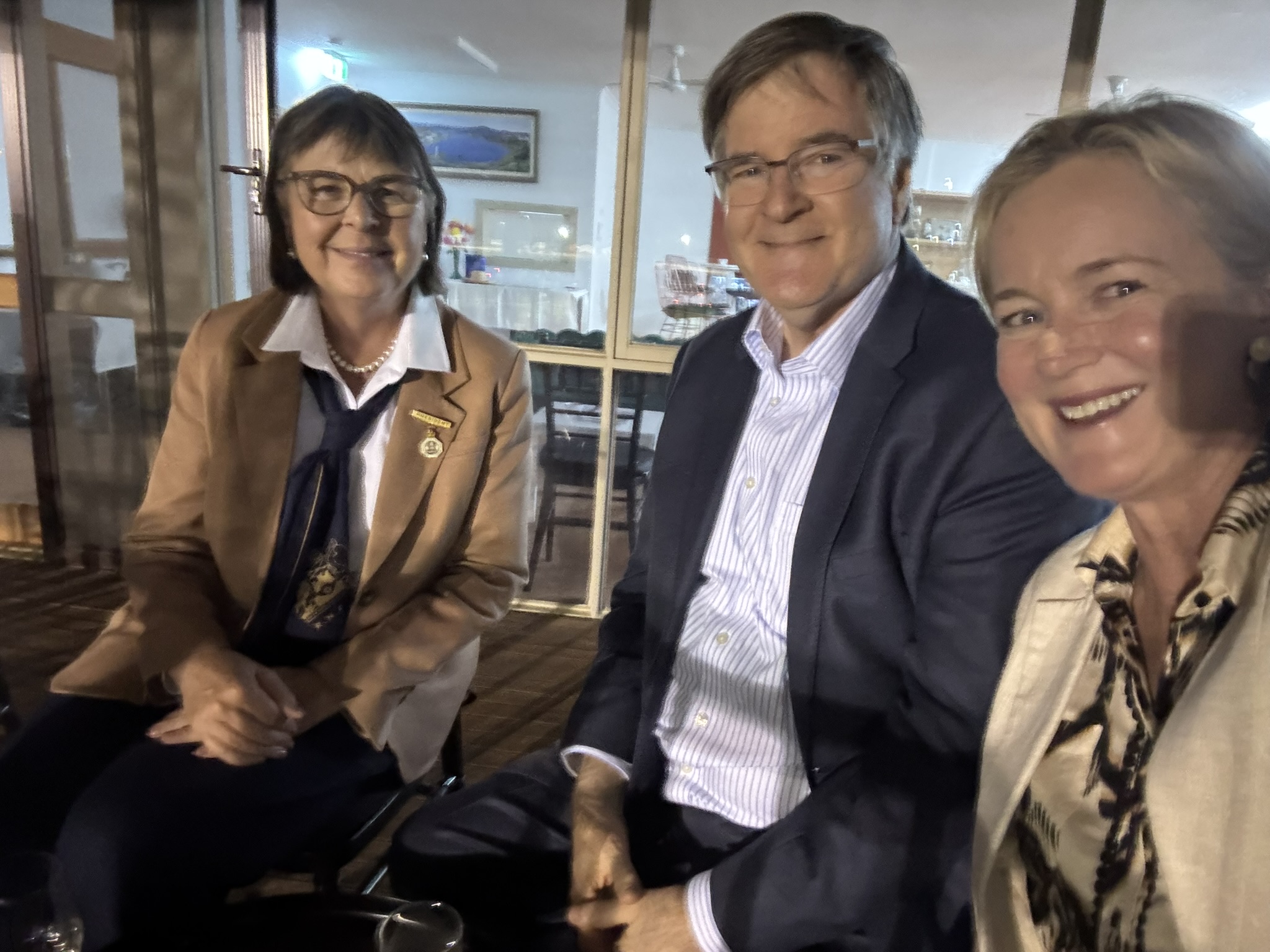
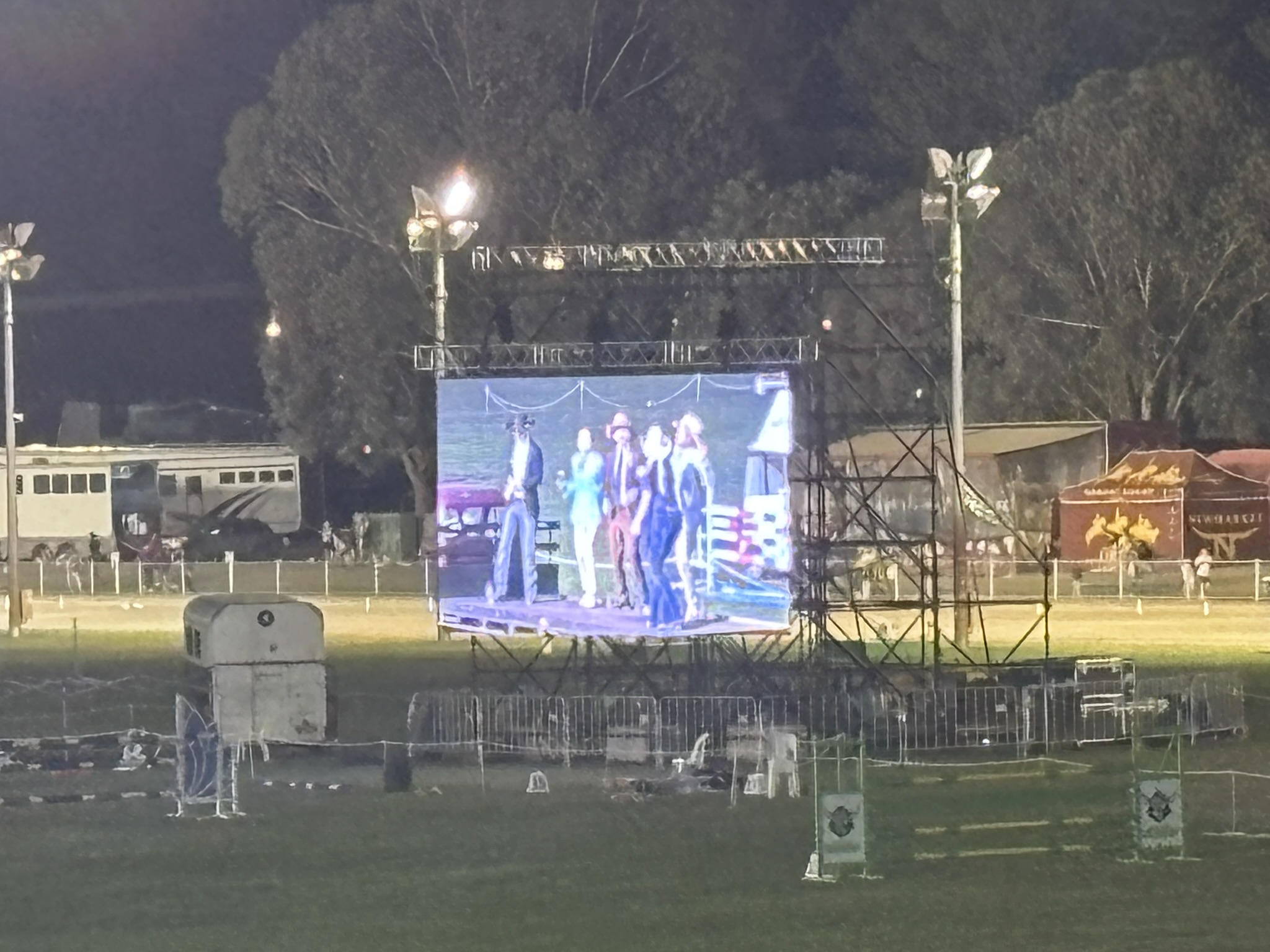
In the evening, I joined The Honourable Justice David Thomas AM KC, President of the Royal National Agricultural and Industrial Association of Queensland, for the interstate councillors’ dinner ahead of one of the most impressive fireworks displays I have seen.
Throughout the day, we discussed both the strengths of the Canberra Show and the shared challenges facing many shows nationally — including rising compliance costs such as NLIS requirements, insurance pressures, and managing pre-event risk during the critical weeks before a show opens.
These are precisely the issues that ASA’s national Working Groups are designed to address. I spoke about the work of our Funding & Resources Working Group, chaired by Brendan Christou (CEO of the RNA), and our Advocacy & Communications Working Group, chaired by Robyn Sermon (CEO of the Royal Agricultural Society of Western Australia), and how these forums provide practical avenues for collaboration across our network.
Being in the national capital also highlights the strategic importance of the Royal Canberra Show within our ASA network. The proximity to policymakers and national institutions positions Canberra as a key hub for connection, insight and advocacy. The openness and willingness of Toni and Adelina to facilitate those connections strengthens not only their Show, but the broader ASA membership — something we are deeply grateful for.
One key message I shared during interviews was the vital role shows play in connecting young people with the future of agriculture. As our industry evolves into increasingly technology-driven, science-led and innovation-focused sectors, shows are often the first touchpoint for young Australians to engage with agriculture. Whether that connection begins by patting a lamb in the nursery or watching livestock judging in the ring, that bridge matters.
As the Royal Canberra Show approaches its centenary in 2027, it is fitting that ASA will return to Canberra next year for our biennial national conference — now less than 12 months away. We are already looking forward to gathering in the nation’s capital.
My sincere congratulations to the Royal National Capital Agricultural Society and its volunteers, councillors and team. The Royal Canberra Show stands as a powerful example of agriculture, community and national connection in action.
IMG_6814
IMG_6817
IMG_6821
IMG_6824
IMG_6829
IMG_6831
IMG_6835
IMG_6838
IMG_6840
IMG_6841
IMG_6845